
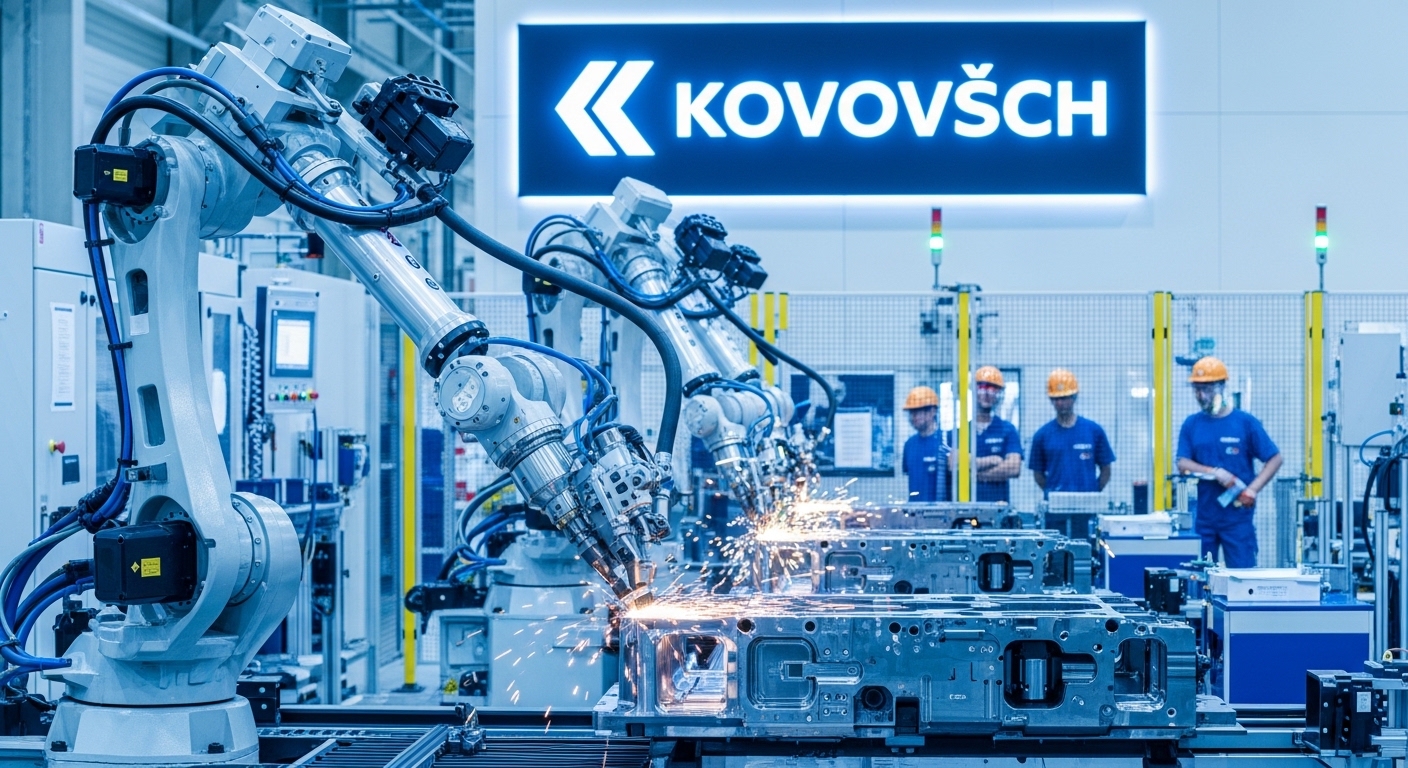
In the bustling industrial district of Brno, Czech Republic, a small workshop hums with the rhythmic clinks and hisses of machines. Inside, skilled artisans meticulously shape metal components, each movement precise, deliberate, and steeped in decades of expertise. This isn’t just any workshop—this is where the potential of kovových is fully realized, demonstrating how high-quality metal applications are quietly revolutionizing industries worldwide.
From advanced manufacturing to architectural marvels, kovových has emerged as a cornerstone of modern innovation. The term itself refers broadly to metallic materials known for durability, adaptability, and their ability to integrate seamlessly with contemporary technological demands. While it may sound niche, the influence of kovových reaches far beyond metal fabrication—it impacts the products we use daily, the structures we inhabit, and the technologies that drive the global economy.
Kovových in Modern Manufacturing
The manufacturing landscape has always been defined by materials. In the 21st century, kovových has become indispensable for enterprises seeking both precision and longevity. Engineers and designers now rely on specific metal alloys to create components that withstand extreme stress, resist corrosion, and maintain structural integrity over decades.
For instance, in the automotive industry, kovových components enhance vehicle performance while reducing maintenance needs. Cars equipped with high-grade kovových elements benefit from lighter frames without compromising safety, improving fuel efficiency, and extending the life of critical parts. Similarly, aerospace manufacturers increasingly favor kovových alloys that offer exceptional strength-to-weight ratios, ensuring both safety and performance at high altitudes.
Architectural and Structural Applications
Beyond manufacturing, kovových plays a pivotal role in architecture. Modern skylines are punctuated by sleek metal facades, bridges, and interior structures crafted from advanced kovových alloys. Architects are drawn to kovových not only for its aesthetic appeal but also for its structural reliability.
The use of allows designers to experiment with shapes, spans, and forms that traditional materials cannot support. From minimalist urban buildings to sprawling industrial complexes, kovových provides the strength to achieve ambitious designs while remaining environmentally sustainable through recyclability and durability.
Table: Common Kovových Alloys and Applications
| Alloy Type | Key Properties | Typical Applications |
|---|---|---|
| Stainless Steel | Corrosion-resistant, durable | Kitchenware, architecture, medical tools |
| Aluminum Alloy | Lightweight, strong, conductive | Aerospace, automotive, electronics |
| Titanium Alloy | High strength-to-weight ratio | Aerospace, medical implants, luxury goods |
| Copper Alloys | Excellent conductivity, malleable | Electrical components, plumbing, art |
This table illustrates how versatile alloys are, bridging practical utility with specialized industrial needs.
Kovových and Technological Innovation
In the tech sector, kovových is fueling innovation at every turn. Electronics, robotics, and energy solutions increasingly rely on metals that can withstand heat, wear, and precision demands. Semiconductor equipment, for instance, often incorporates components that enable faster, more reliable production of chips critical to smartphones, computers, and AI systems.
Robotics, too, benefits from. From surgical robots that demand exacting precision to automated manufacturing lines, the integration of high-quality metals ensures durability, consistency, and safety. In this way, kovových not only shapes physical objects but also empowers the technological advancements that define modern life.
Sustainability and Kovových
In an era where sustainability is non-negotiable, kovových stands out as an environmentally conscious choice. Many metal alloys are fully recyclable, reducing waste and minimizing the carbon footprint of manufacturing. Furthermore, the longevity of components reduces the need for frequent replacements, contributing to resource efficiency and environmental responsibility.
Investing in is more than a matter of performance; it is a commitment to building resilient, sustainable infrastructure. Companies integrating into their supply chains are not only improving product quality but also aligning with global sustainability standards, which has become a critical factor in market competitiveness.
The Future of Kovových in Industry
Looking ahead, the role of kovových in shaping industries will only expand. Innovations in metallurgy are creating alloys with unprecedented properties—self-healing metals, corrosion-resistant nanocomposites, and lightweight superalloys promise to redefine engineering limits.
Entrepreneurs and industry leaders who understand potential will be better positioned to leverage its advantages. Whether in high-tech startups, large-scale manufacturing, or architectural design, represents both a practical solution and a competitive differentiator.
Conclusion
From the rhythmic workshop floors of Brno to the soaring skylines of global cities, kovových is quietly transforming the way we build, design, and innovate. Its combination of durability, adaptability, and sustainability makes it an indispensable asset for modern industries. For professionals and businesses alike, understanding and embracing is not merely a technical choice—it is a strategic imperative for future-ready innovation.